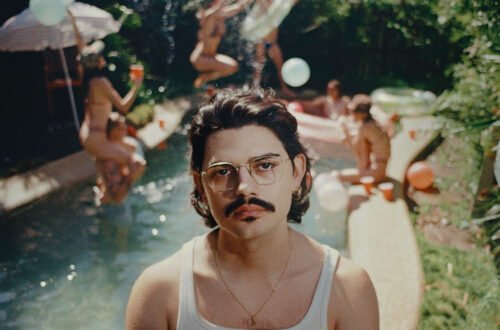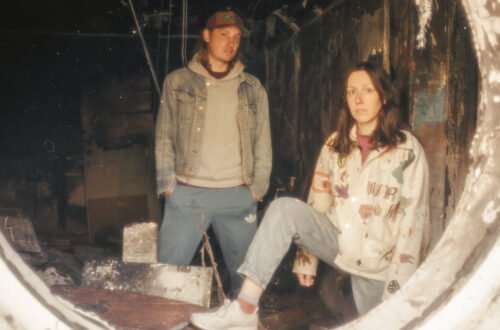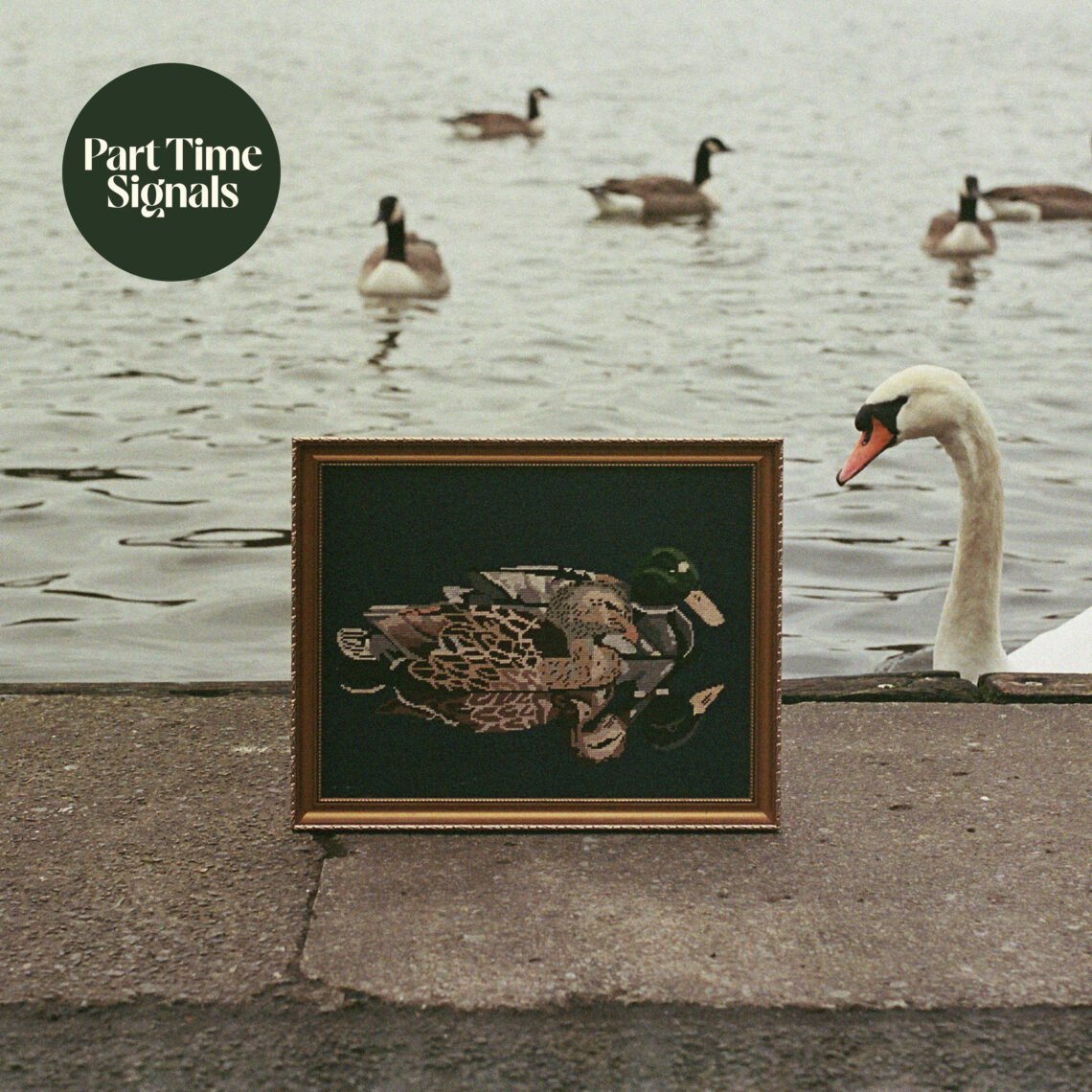
It’s always nice to come across a band that clearly enjoys making music and isn’t afraid to try a few different things along the way. Welsh four-piece Part Time Signals have done just that with their latest album, “Duck’s Back, Baby”. Following their debut album “Another Day In Paradise” and the EP “The Window”, the band return with a collection of songs that shows how much they have developed while keeping the enjoyment of creating music together at the heart of everything. This album has been in the making for a long time, with the songs coming together gradually over several years. The band spent five days recording at Giant Wafer Studios in Mid Wales, where they worked together in a professional studio for the first time. Spending so much time in one place, experimenting with different instruments and recording equipment, made the experience memorable. Some sessions even continued into the early hours, with only the occasional break to get some fresh air along the nearby farm track.
The arrangements offer plenty to enjoy, particularly the range of instruments that find their way onto the record. Vibraphone, pedal steel, clarinet, flute, and saxophone all appear, bringing different sounds and adding extra character to the songs. None of these were part of the original plan either. Some of the additional recordings came later, once the band had returned to the material and felt certain songs could benefit from something extra. We caught up with Part Time Signals to learn more about making “Duck’s Back, Baby”, the recording sessions, and how things have changed since their earlier releases.
Q: You’ve been working on Duck’s Back, Baby over several years, putting the songs together piece by piece. When did you start feeling these tracks belonged together as an album, and did the record take a different direction than you first imagined?
A: We enjoyed recording the first album so much that as soon as we had enough songs we wanted to get straight into recording them. We actually ended up with more than enough songs and recorded our previous EP ‘The Window’ at the same time as ‘Duck’s Back, Baby’. We definitely invested more time this time around, being more selective with instrumentation and exploring what was available at the studio.
Q: You recorded the main sessions over five intensive days at Giant Wafer Studios. How was that experience for you as a band, especially as it was your first time recording together in a professional studio?
A: We really enjoyed it. It’s a residential studio where you eat, sleep and record all in one building. It was great to have this amount of time to get stuck into it and indulge ourselves with various different bits of recording equipment and instruments, often tracking into the early hours, taking only occasional breaks to wander down the nearby farm track. It was intense but really rewarding!
Q: There’s quite a range of instruments on this album, including vibraphone, pedal steel, clarinet, flute and saxophone. Did you have these sounds in mind from the beginning, or did experimenting in the studio lead you towards some unexpected ideas?
A: I don’t think it was the original plan. We had sat on the original recordings for a little while so that we could finish our EP, and when it came around to finishing the album it felt like there were places where the songs could flourish with some new instrumentation. We recorded all of the extra bits back in Cardiff.
Q: You describe the album as a collection of songs reflecting different aspects of the human condition, with plenty of connections to discover between them. Is there a particular story, feeling or personal experience behind the record that you’d like listeners to pick up on?
A: Not really, it’s nice for people to find their own meaning in the songs.
Q: Looking at the track list, songs like “Song For A Rainy Day”, “View From The Other Room” and “Waking Hours” already have quite intriguing titles. Is there one song on the album that holds a particularly special place for you, or perhaps one that surprised you during the writing or recording process?
A: Song For A Rainy Day is pretty special I think. It has a nice sentiment, and the way it progresses to the end from such a delicate start really showcases strength in numbers – featuring David, Rhod and Stephen all together.
Q: Since your debut album Another Day In Paradise and the EP The Window, how do you think you’ve changed as a band? And now that Duck’s Back, Baby is ready to meet the world, what would you love people to take away from listening to it?
A: We are continuing to refine ourselves as a creative unit and want to continue recording new music in different ways. We’re always trying to push out of our comfort zones. We really enjoy making music together and if anyone else can get the same enjoyment from listening to it then we are happy!
One thing that comes across clearly from the conversation is how much the band enjoys working together. They’re happy to experiment, try new things, and give their songs the time they need. I also like their attitude toward the album’s meaning. They aren’t trying to tell listeners exactly what to think or feel, leaving plenty of room for everyone to take something different from the songs. “Song For A Rainy Day” sounds like a particularly special moment, especially with its gentle opening and the way it gradually builds towards a fuller ending. Personally, I think “Duck’s Back, Baby” is a lovely step forward for Part Time Signals. The variety of instruments gives the album plenty of character, and it’s great to hear a band taking the time to explore their ideas rather than sticking to what they already know. This record has a real sense of togetherness, and that’s something I always enjoy hearing in independent music.
If Part Time Signals is new to you, I’d definitely recommend giving “Duck’s Back, Baby” a listen. Follow the band on social media and streaming platforms so you can keep up with their future music and activities. Add the album to your playlists, share your favorite tracks with friends, and give the whole record a chance rather than stopping after one or two songs. “Song For A Rainy Day”, “View From The Other Room” and “Waking Hours” are good places to start, but there’s plenty more to discover across the album. Independent bands deserve support, and something as simple as following an artist, saving their songs, and spreading the word can help their music reach people who might never have come across them otherwise. Part Time Signals have clearly enjoyed putting this record together, and hopefully plenty of listeners will enjoy spending time with it too. Keep an eye on this band; I’d be happy to hear more from them.